
The short & furry of it
- Before your puppy comes home: Stock up on the basics, puppy-proof the spaces they’ll use, and book their first vet visit. Set up a quiet place for them to settle in and show them where to go potty.
- In week one: Get into a rhythm with meals, play, naps, and plenty of potty breaks. Bring any health records to their first vet visit and ask about vaccines, parasite prevention, and safe ways to socialize.
- In weeks two and three: Keep training short and fun. Reward little wins, introduce new people and sounds at your pup’s pace, and practice brief stretches of alone time.
- At the one-month mark: Check that their collar and harness still fit, confirm upcoming vet visits, and tweak the routine as you go. Still mopping up the odd accident? That’s part of learning, too.
You brought home a puppy. You’re in love. Your Instagram feed is flooded with your adorably floofy new fur baby. And you’ve Googled “is this normal?” six times before breakfast. Welcome to puppy parenthood!
There’s a lot to get used to, for both you and your pup. But you don’t need to figure everything out on day one! In your first 30 days together, focus on the big stuff: a safe home, a vet care plan, a simple routine, and getting started on gentle training.
This new puppy checklist will help you take it one step at a time. Keep it handy, follow your vet’s advice and leave room for getting to know the tiny fur ball who now runs your house (seriously, it’s their world now).
Before bringing your puppy home, get the basics ready
Puppies are adorable and sweet chaos monsters. So, before you welcome your fur baby home, there are a few things you should prepare to make those early days easier for you both.
Your puppy doesn’t need an entire pet store aisle, so start with things you'll actually need and use. The matching pyjamas will come later (we promise):
New puppy supplies checklist
-
Their current food, plus food and water bowls. If you plan to change their food, ask your vet how to transition gradually, as switching too quickly can cause an upset stomach, diarrhea, or vomiting.
-
A collar with an ID tag and a properly fitted harness or leash.
-
A comfy bed and a suitable crate or puppy pen.
-
Gates to limit access when needed.
-
Puppy-safe toys and chews.
-
Poop bags and an enzymatic cleaner for accidents. Glamorous? No. Useful? Very.
How to puppy-proof your home
Choose their sleeping spot and a potty area, then puppy-proof the spaces they’ll use. Put cords, cleaning products, medications, and any small swallowable objects out of reach (you and your sock collection will appreciate the protection).
Establish your puppy’s health care plan
Be sure to choose a veterinary clinic near you and book an initial vet appointment before your puppy arrives. We also recommend saving your clinic's number and the nearest after-hours veterinary service in your phone, just in case!
Pet insurance for your puppy
Looking into puppy pet insurance before your new arrival could also save your tail. Compare your options now so you’re ready to choose a plan once your puppy is eligible to enroll, and ideally, while they’re healthy! Here’s why getting a head start matters: with Furkin and many other pet insurance providers, illnesses, injuries, or signs and symptoms that appear before your policy starts or during a waiting period are considered pre-existing conditions and aren’t eligible for coverage. Enrolling early gets those waiting periods started sooner, giving your puppy the opportunity for coverage for more new, unexpected conditions as they grow.
Puppy safety tips
Sort out identification early, too. Ask whether your puppy is already microchipped and arrange to register or transfer the chip to your contact details. If they aren’t microchipped, ask your vet about it. Don't forget to check your municipality’s dog-licensing requirements and if (or when) you need to register.
Want more puppy preparation pointers? Read our veterinarian’s tips for welcoming a new puppy.
The first few days with a puppy
Everything is new to a puppy. The house. The people. The smells. That suspicious, possibly evil thing called a vacuum.
Keep the welcome calm, let them explore a small, supervised space, and give them somewhere quiet to rest. Introduce people gently and take breaks when needed.
-
Show them their potty spot and take them there regularly.
-
Let them sniff and settle at their own pace.
-
Keep their resting space comfortable and close by.
Let your pup set the pace, and don’t push them into anything they’re not quite ready for. They’ve got a whole new world to figure out!
Where should a puppy sleep on the first night?
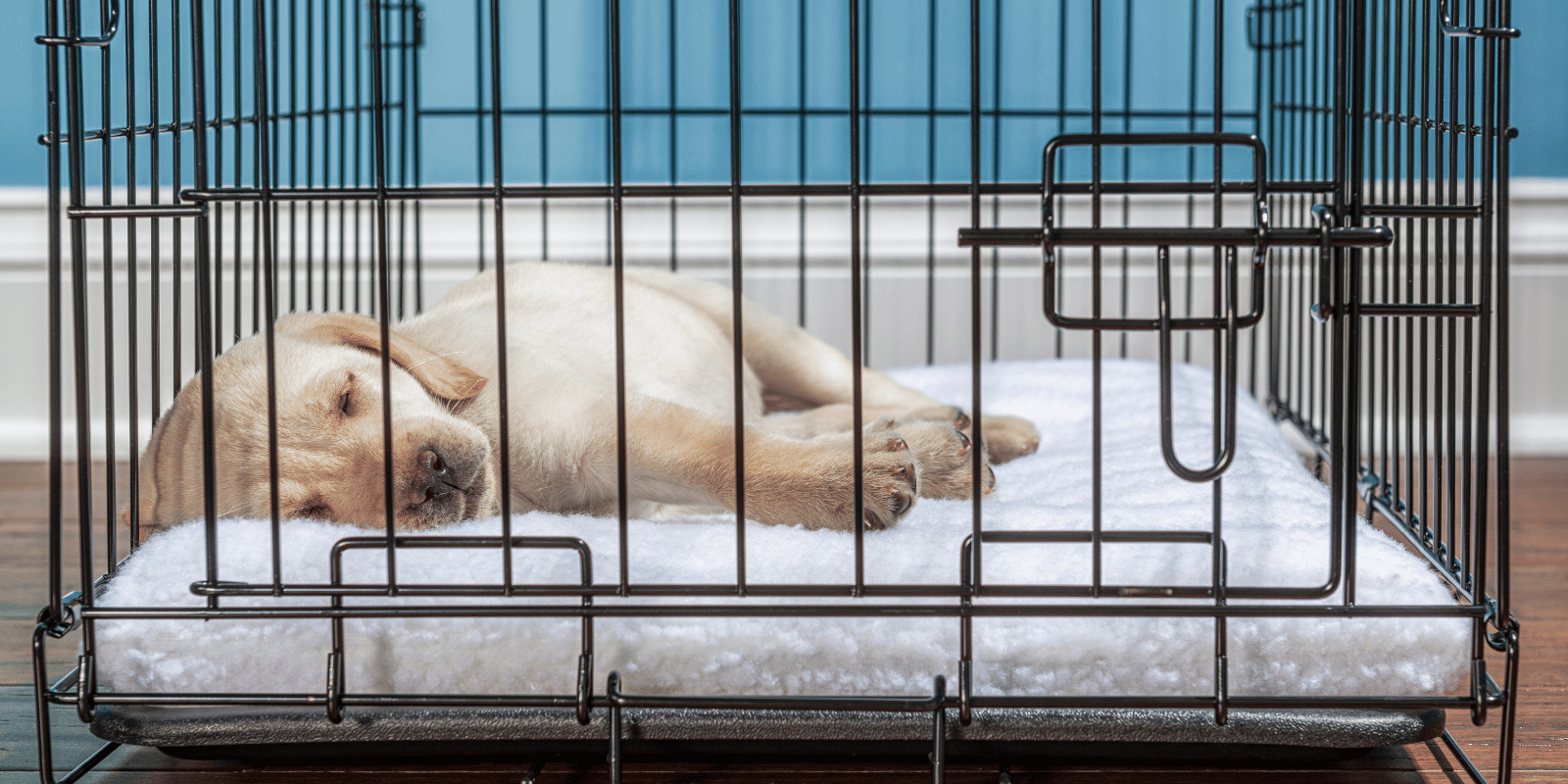
On the first night, a puppy should sleep in a suitable crate or puppy-safe pen near you, like in your bedroom. Introduce it positively and expect overnight potty breaks. If your puppy becomes very distressed, pause and ask your vet for guidance as needed.
That big puppy welcome party you were planning? It can wait. On night one, aim for a quiet evening and get as much sleep as you can.
Week 1: Build your puppy's daily routine
There are four simple areas to focus on in week one: meals, potty breaks, play and rest. A simple, predictable routine gives you both something to work with. Not sure where to even start? We've got you covered.
Puppy potty training tips
Your puppy hasn’t read the “please don’t pee on the rug” memo yet, so frequent breaks and a predictable routine help them learn when and where to go. Until then, consider yourself their bathroom concierge.
Plan for potty breaks every one to two hours while your puppy is awake, with extra trips after naps, meals or a big drink. During high-energy play, they may need to go as often as every 30 minutes. Overnight outings will likely be needed, too.
Keep in mind that these are starting points. Take your puppy out sooner or whenever they show signs they need to go.
Puppy potty training schedule example
Here’s an example morning schedule to help get you started. Adjust the times around your puppy’s meals, naps, and bathroom signals.
| Example time | Potty-break plan |
|---|---|
| 7:00 am | Wake up and head straight to the potty spot. |
| 7:15 am | Breakfast, followed by another potty opportunity when they finish. |
| 7:45 am | Offer another break if they’ve been playing energetically. |
| 8:15 am | Another potty opportunity if active play continues, then time to settle. |
| After their morning nap | Go straight to the potty spot. |
| Rest of the day | Continue regular breaks while awake, plus trips after meals, naps and active play. |
| Bedtime and overnight | Get one final potty break in before settling down and plan for overnight outings as needed. (Yes, you’ll be exhausted. Yes, it will be worth it!) |
Help those little wins add up
-
Watch for clues. Sniffing, circling, or restlessness can be your cue to head to the potty spot.
-
Reward right away. Offer gentle praise and a small treat immediately after they finish, before heading inside.
-
No luck? No pressure. After about five minutes, return inside, supervise closely and try again when they show signs.
-
Keep accidents low drama. Clean up with an enzymatic cleaner rather than scolding.
If accidents keep happening, offer more frequent breaks and keep a closer eye on your little four-legged student. They’re learning a whole new skill, and you’re learning their signals. Teamwork makes the floor stay dry! Isn’t that what they say?
Living in an apartment with a puppy?
Potty training with a puppy in an apartment can be tricky. Include the elevator or stairs trip in your potty-break planning, or ask your vet or trainer about a suitable indoor option if getting outside quickly is a challenge.
Your puppy's first vet visit
Your first vet visit is a chance to get to know the amazing vet techs and veterinarians who will help care for your puppy, and to ask all those questions you’ve been saving in your notes app. Yes, even the ones about poop; shape, size, consistency – they've heard (and seen!) it all.
Bring any medical records you may have received from the breeder, rescue, or shelter.
To make the most of your pup’s first visit, here’s a checklist of what to chat through with your vet:
-
Find out which vaccinations your puppy has already gotten and book the next ones as required.
-
Ask about parasite testing, deworming and flea, tick and heartworm prevention.
-
Check if your puppy’s food is the right fit, how much to feed them, and how often.
-
Ask which outdoor settings and puppy classes are appropriate while they’re still getting up-to-date on their vaccines.
For a look at vet appointments beyond this first month, be sure to check out how often puppies and other pets need vet visits.
Plan your puppy budget
While you’re planning for the cost of routine puppy care, give unexpected vet bills a little thought, too. If you’re considering pet insurance, explore it early so you understand how waiting periods and pre-existing conditions can affect coverage. Our guide to how pet insurance works is a great place to start!
Psst, Furkin offers up to $20,000 in annual coverage for eligible accidents and illnesses, including sick-visit exam fees and applicable taxes. Explore our pet insurance coverage to see how Furkin can help your fur family, including applicable terms and conditions, deductibles, and limitations.
Weeks 2-3: Puppy training and socialization
You can begin puppy training from day one, even if some lessons mostly involve saying, “That’s my sock!” Keep practicing the basics, rewarding the little wins, and finding out what gets that little tail wagging.
Puppy training tips checklist
-
Reward the little moments, like responding to their name, sitting, or going potty in the right place. A little praise (and a tasty treat!) goes a long way.
-
Introduce new people, sounds, and experiences gradually. Keep things fun and positive, and let them warm up at their own pace.
-
Once they’re feeling comfortable in their own space, practice very short separations. Gradually build up the time so they can get used to being on their own without feeling overwhelmed.
Keep training sessions short and fun, stick with reward-based training, and make sure everyone in the house is using the same commands. If one person says “off,” another says “down,” and someone else delivers a heartfelt speech about why the couch is off-limits, your puppy is going to have a hard time figuring out what everyone wants.
Can puppies socialize before all their vaccinations?
Yes! Carefully managed puppy socialization can begin before the vaccine series is complete. Ask your vet which settings and puppy classes are safe based on their vaccines and the risks in your area. For now, skip dog parks and interactions with unfamiliar dogs.
And remember, not every puppy is a social butterfly right out the gate. If your pup seems nervous, frightened, or stressed, give them space and try again when they’re more comfortable. They don’t need to meet the entire neighbourhood just yet.
Bringing home a puppy in a Canadian winter?
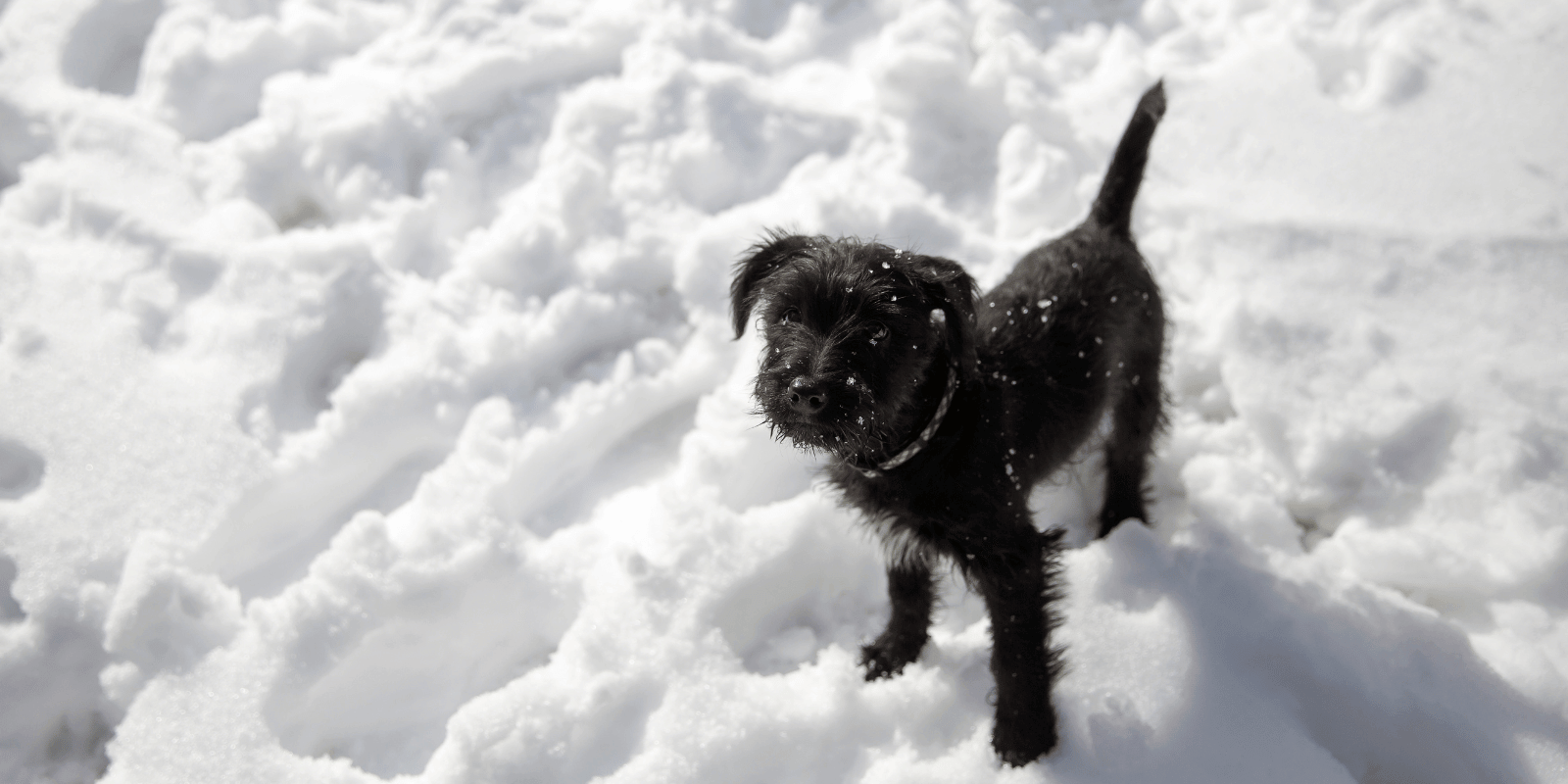
Canadian winters for puppies can be rough, especially when you’ve got a tiny pup who’s still getting used to the great outdoors! Puppies are particularly vulnerable to the cold, so keep winter walks short and check with your vet about any extra protection your pup might need (like a cozy sweater or puppy booties!). Always remember to wipe their paws after walking on salted surfaces, as road salt can irritate paw pads.
Day 30: Check in and make adjustments
You made it through your first month with a puppy! By now, you’ve probably learned a thing or two about your new fur baby (including their favourite place to pee when you’re not looking).
Take a moment to reflect on what’s been going well, what’s been a little trickier than expected, and whether anyone has seen your other slipper. Then review a few practical things:
One month with a new puppy checklist
-
Confirm upcoming vet appointments and jot down any questions you might have.
-
Check that their collar and harness still fit. Hot tip: Make sure harness straps and collars aren’t too loose or too tight by using the two-finger rule.
-
Make sure their ID tag and microchip registration have your up-to-date contact info.
-
Think about what the next month (and beyond!) looks like for puppy care, from who’s handling walks and puppy-sitting to how your budget is holding up. Those little expenses can add up faster than you’d think!
What should your puppy know after the first month?
Day 30 isn’t a deadline for a perfectly trained puppy. If your puppy hasn't mastered potty training, learned every command, or figured out that your favourite shoes aren't chew toys, don't sweat it.
Potty training takes time, and accidents can still happen as puppies learn and mature. Keep practicing, celebrate the progress, and check in with your vet if you have persistent concerns or notice changes in their habits.
And give yourself credit, too! You’ve spent the past month getting to know this tiny, curious new member of your family, and they’re still figuring you out right back. Some days will bring little wins. Others will involve scrubbing the rug while your puppy watches like they’re supervising.
Keep this checklist handy, ask for help when you need it, and take the photos. Even the 27 nearly identical photos of your puppy sleeping in a little donut (obviously, each one is different).
You’ve got a whole lot of Furkin love ahead.
FAQs about your puppy's first month
Can I leave my puppy alone while I work?
Yes, you can leave your puppy alone for short periods while you work, but young puppies aren’t ready to spend an entire workday by themselves. Plan help around your puppy’s toilet needs and ability to settle alone. Young puppies need frequent breaks and gradual practice with separation. A full workday requires care arrangements beyond just providing a crate.
What if my puppy is still having accidents after 30 days?
It's completely normal for your puppy to still have potty accidents after 30 days. Potty training takes time, and every puppy learns at their own pace. Keep using supervision, regular potty opportunities, and rewards when they get it right. House training takes learning and patience; day 30 is not a universal finish line! If accidents become more frequent, their bathroom habits suddenly change, or you're concerned about their progress, check in with your vet.
Does pet insurance cover puppy vaccinations?
Most pet insurance plans don’t cover puppy vaccinations because they’re considered routine or preventive care, rather than treatment for unexpected accidents and illnesses. Some providers offer optional wellness plans that help cover vaccinations and other routine vet visits, usually for an additional cost.
Like most pet insurance companies, Furkin doesn’t cover vaccinations or routine preventive care. Instead, we focus on helping cover unexpected accidents and illnesses so premiums stay affordable for all members. This includes diagnostic tests, surgery, hospitalization and prescription medications, plus sick visit exam fees and applicable taxes. Explore our full breakdown of what is and isn't covered by Furkin.
Note: Although vaccines are not covered, it’s important for your puppy to get all the necessary vaccines for their health and to maintain coverage under your Furkin policy.